Locations
10.07.2026


Looking for a proven partner for metal finishing in Monroe, MI? Pioneer Metal specializes in
hardcoat anodizing and delivers precision coatings that extend component life, improve wear
performance, and provide a uniform, professional appearance. Whether you are vetting a
prototype or planning full-scale production, our team supports automotive, aerospace, defense,
medical, and industrial programmes with repeatable, tightly controlled results. If you need
hardcoat anodizing in Monroe, MI with dependable lead times and clear documentation, we are
ready to help.
Hardcoat anodizing (Type III) is an electrochemical treatment that converts the surface of
aluminium into a dense aluminium oxide layer. Components are immersed in a
carefully controlled electrolyte and energized with direct current, creating a ceramic-
like coating that is integral to the base metal. The result is a hard, abrasion-resistant surface
with excellent corrosion resistance and predictable dimensional growth.
Compared to Type II anodizing, which targets cosmetic appearance and moderate
protection, hardcoat anodizing builds a thicker, harder, and more uniform surface designed
for demanding environments. Type III hardcoat excels when parts face friction, impact,
or corrosive media, offering elevated dielectric strength and superior durability. If you need
functional protection beyond a decorative finish, hardcoat anodizing is the right choice.
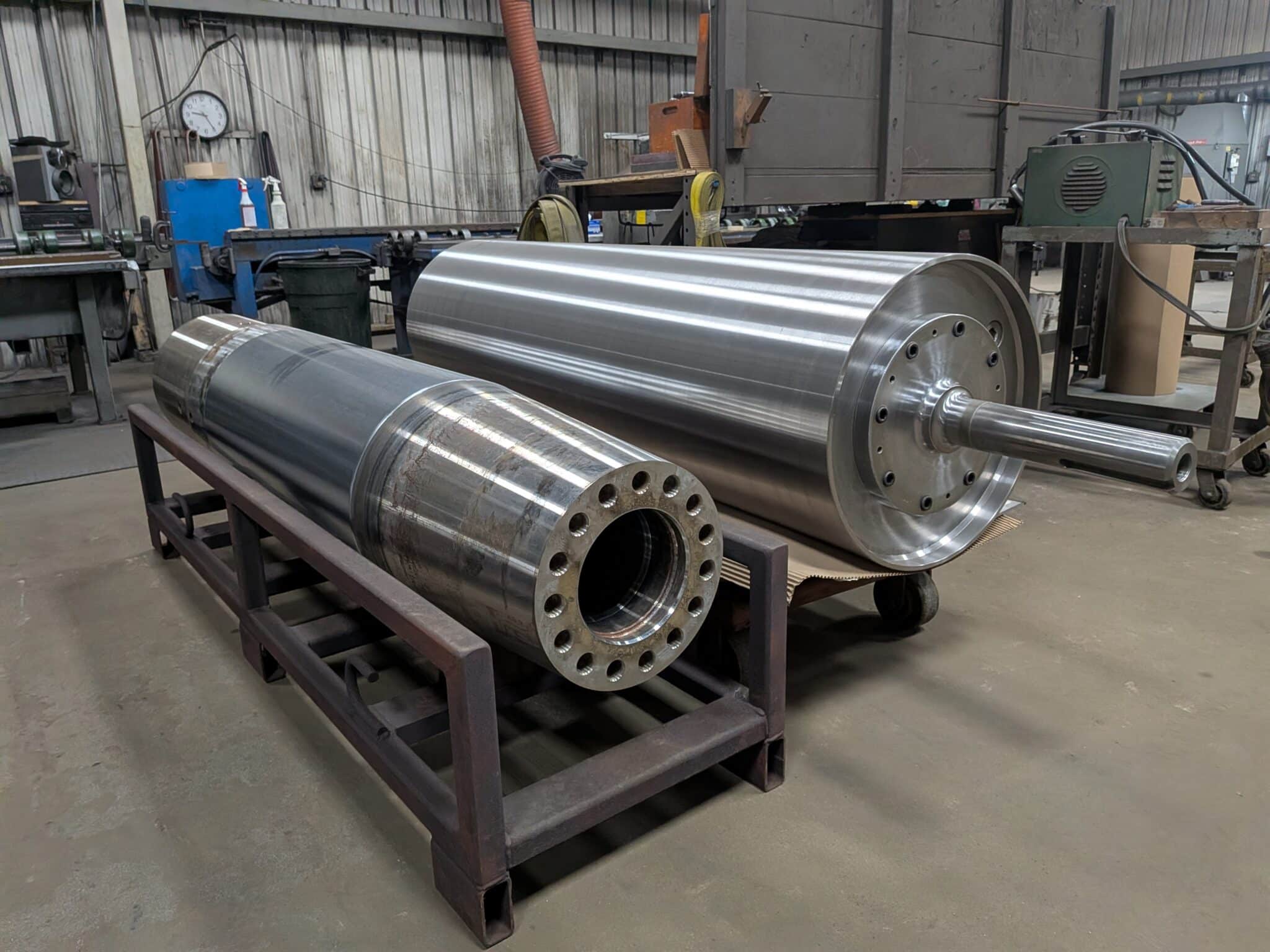
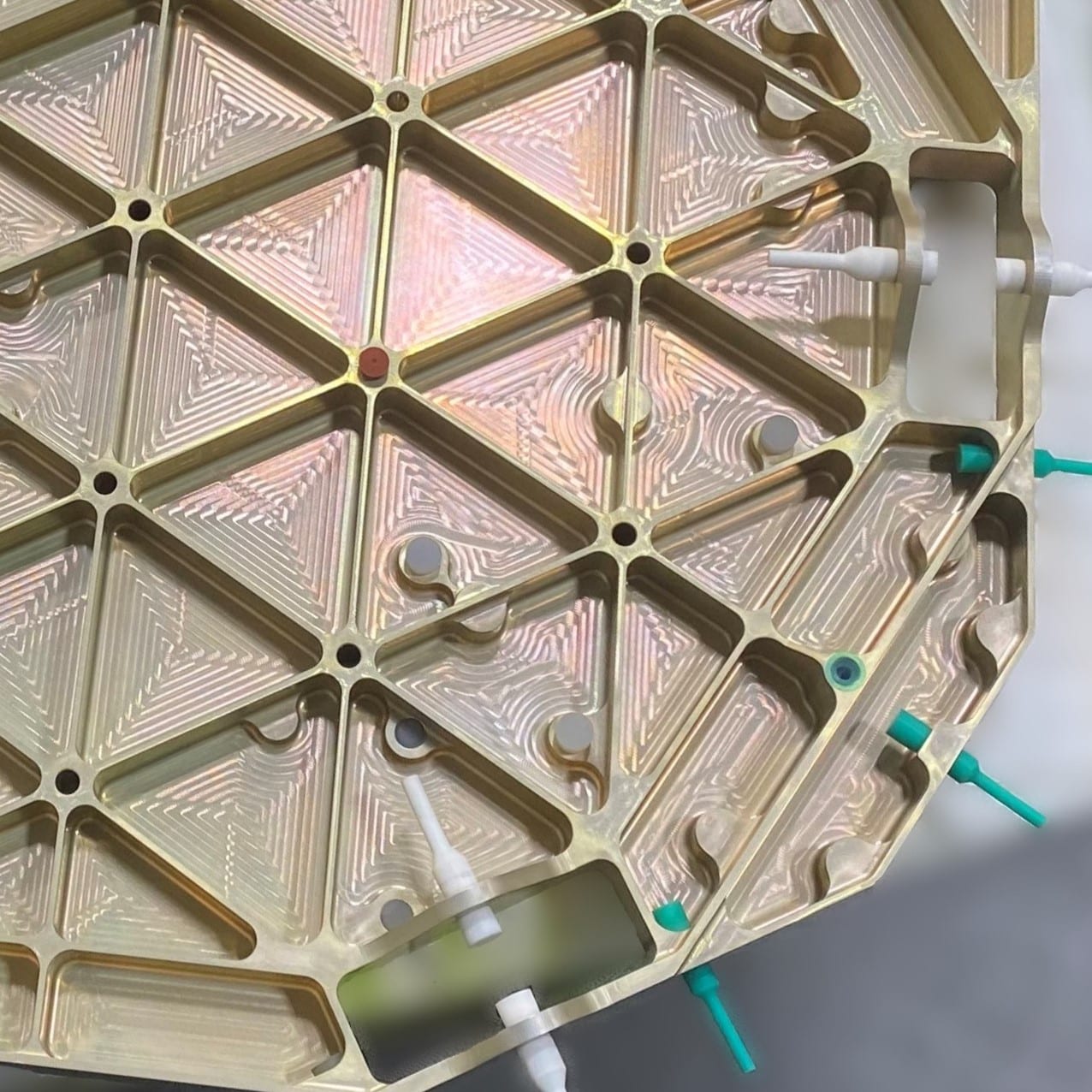
Typical applications include hydraulic manifolds, gears, valves, piston housings, medical instruments, firearm receivers, tooling, and precision fixtures. These parts benefit from extended service intervals, stable performance in abrasive or corrosive conditions, and reliable operation across transportation, aerospace, energy, and general manufacturing. If you are comparing options for anodizing in Michigan, our Monroe facility provides the capability and control your parts demand.
Our Monroe operation combines advanced process control with hands-on production expertise
to deliver consistent hardcoat anodize across a wide range of alloys and geometries. When you
need hardcoat anodizing in Monroe MI, with measured consistency, we align the process to your
print.
Achieving the right outcome with hardcoat anodizing starts with aligning coating thickness, seal
strategy, and masking with your tolerance stack. Typical hardcoat targets range from 0.0016″-
0.0024″, with approximately half the build penetrating the base metal and half growing outward. Sealing improves corrosion resistance and dye retention; unsealed coatings may be preferred for certain wear or lubricity requirements. For branding or part identification, dark dye options can be specified, understanding that extremely thick films naturally lean toward dark gray to charcoal tones.
Surface preparation also drives the final look. A blasted or etched substrate yields a uniform
matte appearance, while mechanically or chemically polished surfaces produce a deeper, more reflective finish after processing. If you are coordinating anodizing in Michigan across multiple suppliers, our team can help standardize prep steps to maintain visual consistency lot to lot.
A: Type III hardcoat anodizing is an electrochemical process that converts the aluminum surface into a
thick, durable oxide layer designed for wear resistance and corrosion protection.
A: Type III hardcoat anodizing generally produces a thicker and harder coating intended for demanding
environments, while Type II anodizing is commonly used for appearance and moderate protection.
A: Yes. Properly processed and sealed hardcoat anodized parts provide enhanced corrosion resistance
compared with untreated aluminum.
A: Yes. Hardcoat coatings create measurable dimensional growth, making coating thickness and
masking considerations important during design and manufacturing.
A: Hardcoat anodizing is naturally dark gray to charcoal in appearance and may be dyed in certain
darker colors depending on process requirements.
Whether you are qualifying a new design or scaling a mature program, we help you balance
performance, dimensions, appearance, and total cost. Send your prints for a review, and we will
recommend target thickness, sealing, and masking strategies to keep interfaces and tolerances
in spec. If you need metal finishing in Monroe MI on a tight timeline, we will build a production plan around your quality and delivery goals. Ready to discuss hardcoat anodizing in Monroe, MI or broader anodizing in Michigan needs? Contact Pioneer Metal for a responsive quote and a process engineered for consistency, documentation, and long-term performance.